Master's Degree in Food Technology
The Master's Degree in Food Technology is a graduate program designed to train highly qualified professionals to lead innovation, development and management in the food industry.
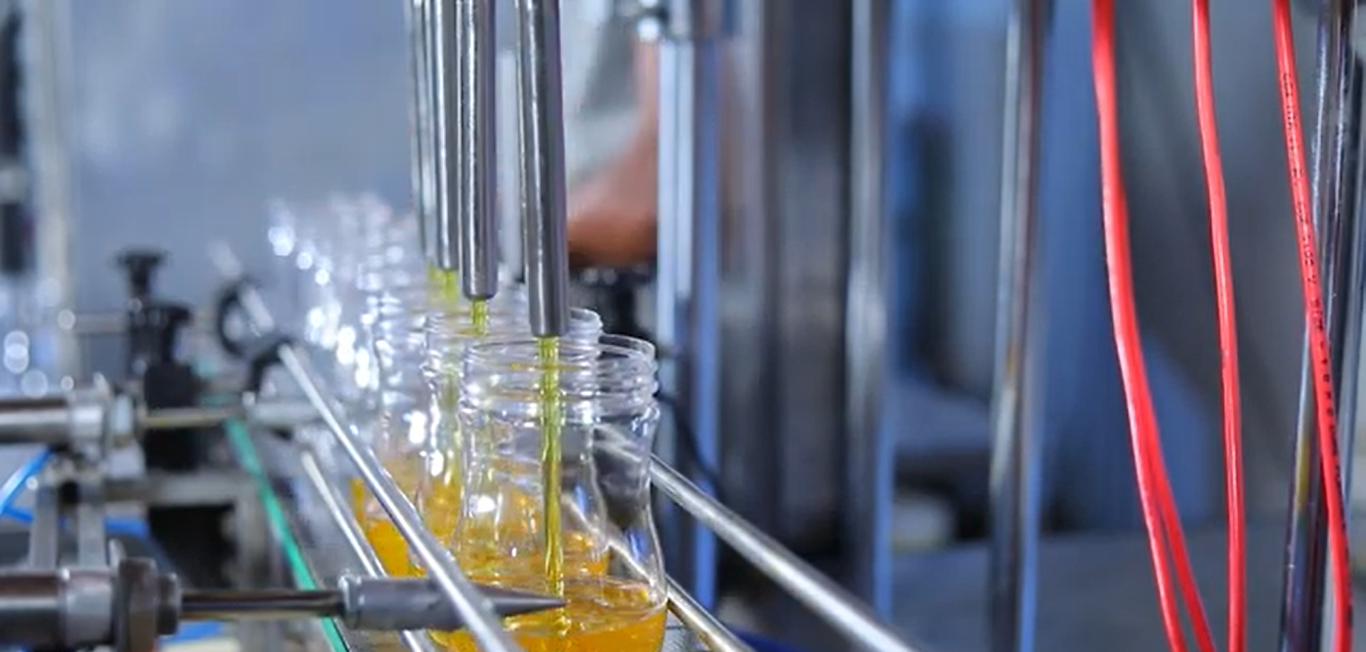
It is aimed at graduates in fields such as engineering, chemistry, biochemistry, agronomy and nutrition who want to move from operational to strategic roles, combining research, development and decision-making in a sector that is key to health, the economy and technological development.
Contact: maestria.alimentos@frlp.utn.edu.ar
 More information about the Master's program
▼
It is a CONEAU-accredited, blended in-person graduate program designed to train strategic leaders capable of transforming the global food value chain.
Why choose this Master's program?
- Graduates are strategic, transformative leaders with the vision to drive innovation, efficiency and safety across the food value chain.
- Training built on four high-impact pillars: product innovation (R&D, functional foods and nutraceuticals), sustainability and circularity, global food security, and research and development.
- Aimed at graduates in engineering, chemistry, biochemistry, agronomy, nutrition and related fields who want to move from operational roles into strategy and leadership.
- Program accredited by the National Commission for University Evaluation and Accreditation (CONEAU).
Duration
2 years of coursework; up to 4 years to graduate, including the thesis defense.
Format
CONEAU-accredited blended format: in-person attendance for those living nearby, and fully online synchronous attendance for those living more than 30 km away.
Curriculum
Required courses
- Food legislation
- Food chemistry
- Food microbiology and advanced microbiology
- Food preservation and packaging
- Transport phenomena and unit operations in the food industry
- Modeling and simulation of industrial processes
- Biotechnology of industrial microorganisms
- Chemistry and technology of meat, fruit and vegetable, dairy, oil and fat, and cereal products and derivatives
- Research methodology and thesis-writing tools
Thesis work: 160 hours of thesis and complementary activities, out of a total of 730 hours.